
 EN
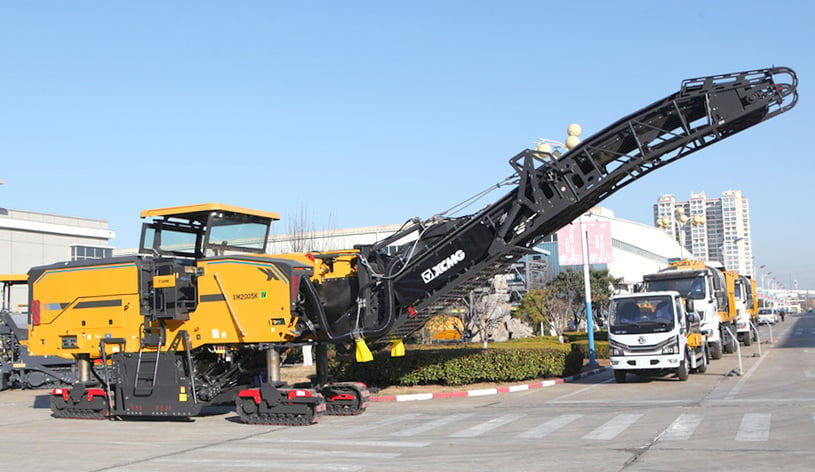
Selecting the right cold milling machine for heavy-duty projects requires understanding critical performance factors, operational capabilities, and project-specific requirements. A cold milling machine designed for demanding applications must deliver consistent precision, reliable durability, and sufficient power to handle continuous operation in challenging jobsite conditions. The choice between different cold milling machine models can significantly impact project timelines, cost efficiency, and final pavement quality, making this decision one of the most important investments in your equipment portfolio.
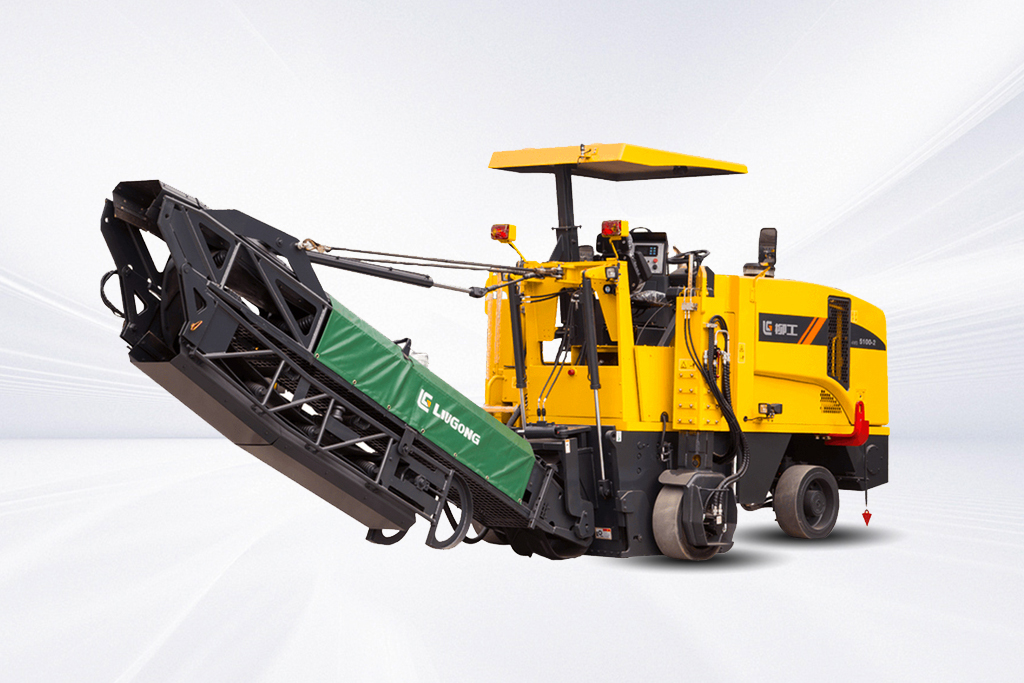
Heavy-duty projects demand a cold milling machine that combines structural rigidity with advanced cutting technology and operator comfort features. The best cold milling machine for your operation must match your specific jobsite conditions, project scope, and long-term business objectives. Understanding how different cold milling machine models perform under varying loads, terrain types, and climate conditions will help you make an informed investment decision that protects your profitability and operational efficiency.
Understanding Cold Milling Machine Specifications for Heavy-Duty Work
Engine Power and Milling Depth Capabilities
The engine specifications of a cold milling machine directly determine its ability to handle heavy-duty projects. A cold milling machine with adequate horsepower ensures consistent cutting force without performance degradation during extended operation. Heavy-duty applications require a cold milling machine with sufficient torque delivery, typically ranging from high-capacity diesel engines that provide both power and fuel efficiency. The milling depth capability of your cold milling machine must align with project requirements, whether you need shallow surface removals or deep asphalt extraction for complete pavement replacement.
Maximum milling width is another critical cold milling machine specification for heavy-duty projects. A wider cold milling machine reduces the number of passes required, accelerating project completion and reducing operational costs. The drum speed and cutting tooth configuration of your cold milling machine determine material removal rates and surface finish quality. Premium cold milling machine models offer adjustable parameters that allow operators to optimize cutting performance based on specific asphalt conditions, aggregate composition, and project timelines.
Material Handling and Conveyance Systems
An effective cold milling machine must efficiently manage material flow from the cutting head to discharge. The conveyor system in a heavy-duty cold milling machine requires robust construction to handle continuous material loads without jamming or mechanical failure. Your cold milling machine investment should include a reliable material handling system that prevents bottlenecks and maintains consistent productivity throughout the workday. Modern cold milling machine designs incorporate advanced conveyor technology that automatically adjusts to varying material volumes and density levels.
The material stockpile capacity of your cold milling machine affects jobsite logistics and equipment coordination. A cold milling machine with larger storage capability reduces the frequency of truck hauls and allows better scheduling flexibility. Integrated dust control systems in premium cold milling machine models minimize environmental impact and comply with regulatory requirements. The combination of material handling efficiency and environmental responsibility in your cold milling machine choice reflects modern industry standards and professional practice.
Evaluating Cold Milling Machine Performance Under Heavy Load Conditions
Structural Integrity and Chassis Durability
Heavy-duty projects expose a cold milling machine to extreme stress from vibration, impact, and continuous operation. The frame construction of your cold milling machine must incorporate reinforced steel components and advanced welding techniques to withstand these demanding conditions. A quality cold milling machine maintains structural integrity even when operating on rough terrain, uneven surfaces, or in extreme weather conditions. The suspension system of a professional-grade cold milling machine absorbs shock loads and reduces operator fatigue during extended work periods.
Long-term reliability of your cold milling machine depends on component durability and maintenance accessibility. Premium cold milling machine models feature easily replaceable wear parts, straightforward service procedures, and durable hydraulic systems designed for extended operation cycles. A cold milling machine with robust construction minimizes unscheduled downtime and protects your project schedule. The investment in higher-quality cold milling machine equipment typically yields lower total cost of ownership through reduced repair frequency and extended service life.
Cutting Technology and Surface Quality Achievement
The cutting drum design in a heavy-duty cold milling machine determines both efficiency and pavement surface finish. A cold milling machine equipped with advanced tooth technology removes material cleanly while minimizing recompaction and surface disturbance. Different project specifications may require your cold milling machine to produce varying surface textures, and adjustable drum configurations enable this flexibility. The precision of your cold milling machine cutting action directly influences subsequent asphalt overlay adhesion and long-term pavement performance.
Operator control systems in modern cold milling machine equipment allow real-time adjustment of cutting parameters during operation. A cold milling machine with intuitive controls enables operators to optimize cutting depth, drum speed, and feed rate based on observed material conditions. Advanced cold milling machine models include monitoring systems that track cutting efficiency, fuel consumption, and equipment status. These features ensure your cold milling machine maintains peak performance throughout its operational life while providing valuable data for maintenance planning.
Selecting Cold Milling Machine Models for Specific Heavy-Duty Applications
Project Scale and Production Requirements
The scope of your heavy-duty project fundamentally shapes your cold milling machine selection. Small to medium-scale milling operations may utilize a compact cold milling machine that offers maneuverability and cost efficiency, while large infrastructure projects demand a full-size cold milling machine with maximum production capacity. Your cold milling machine choice should align with project duration, total square footage to be milled, and production schedule requirements. Multi-phase projects may benefit from multiple cold milling machine units working in coordinated operations to maintain timeline compliance.
Seasonal considerations and climate conditions significantly influence your cold milling machine specifications. A cold milling machine intended for operation in extreme temperatures requires specialized hydraulic fluids, engine configurations, and operator comfort features. Your cold milling machine investment should account for local environmental factors, available support infrastructure, and operator expertise levels. cold milling machine manufacturers increasingly offer regional variants optimized for specific geographic and climatic conditions.
Budget Considerations and Total Cost of Ownership
Initial equipment cost represents only one component of your cold milling machine investment decision. The total cost of ownership for a heavy-duty cold milling machine includes fuel consumption, maintenance expenses, operator training, and potential financing costs. A cold milling machine with higher fuel efficiency reduces operational expenses across extended project timelines. Warranty coverage, parts availability, and service network quality significantly impact your cold milling machine's long-term value proposition.
Resale value and equipment versatility should factor into your cold milling machine selection strategy. A cold milling machine with broad application capability across multiple project types provides flexibility for diverse business opportunities. Rental market demand for specific cold milling machine models affects their residual value and return on investment. Consulting with equipment dealers and industry peers provides valuable insight into which cold milling machine models retain value best in your regional market.
FAQ
What production capacity should a cold milling machine have for heavy-duty highway projects?
A cold milling machine for highway projects typically requires production capacity between 300 to 500 tons per hour, depending on milling depth and pavement type. Heavy-duty highway projects often span significant distances and require a cold milling machine with consistent daily production rates to maintain schedule compliance. Consultation with project engineers and highway specifications ensures your cold milling machine meets all regulatory and performance standards for major infrastructure work.
How do I determine if a cold milling machine is suitable for my project's terrain conditions?
Evaluate your jobsite terrain by considering surface slope, aggregate size, existing asphalt condition, and seasonal weather patterns. A cold milling machine must have adequate ground clearance, stable tracking or wheel systems, and appropriate engine power for the specific terrain you will encounter. Request site visits from equipment vendors to assess your actual project conditions, and ensure your cold milling machine selection accounts for worst-case scenarios during operation.
What maintenance schedule should I follow for a heavy-duty cold milling machine?
Regular maintenance of your cold milling machine should include daily inspection of cutting teeth and material conveyors, weekly hydraulic fluid level checks, and monthly deep cleaning of engine cooling systems. Following the manufacturer's recommended maintenance schedule for your cold milling machine prevents unexpected breakdowns and extends equipment lifespan. Establishing preventive maintenance practices with your cold milling machine ensures optimal performance and protects your project investment throughout its operational life.